Latest Insights on VPN Vulnerabilities
LATEST INSIGHTS ON VPN VULNERABILITIES
Latest Insights on VPN Vulnerabilities – Explore the latest VPN vulnerabilities and disclosures. Learn how these issues affect user privacy and security. In short, this guide explains VPN vulnerabilities and disclosures in plain language.
VPN vulnerabilities and disclosures: Direct answer
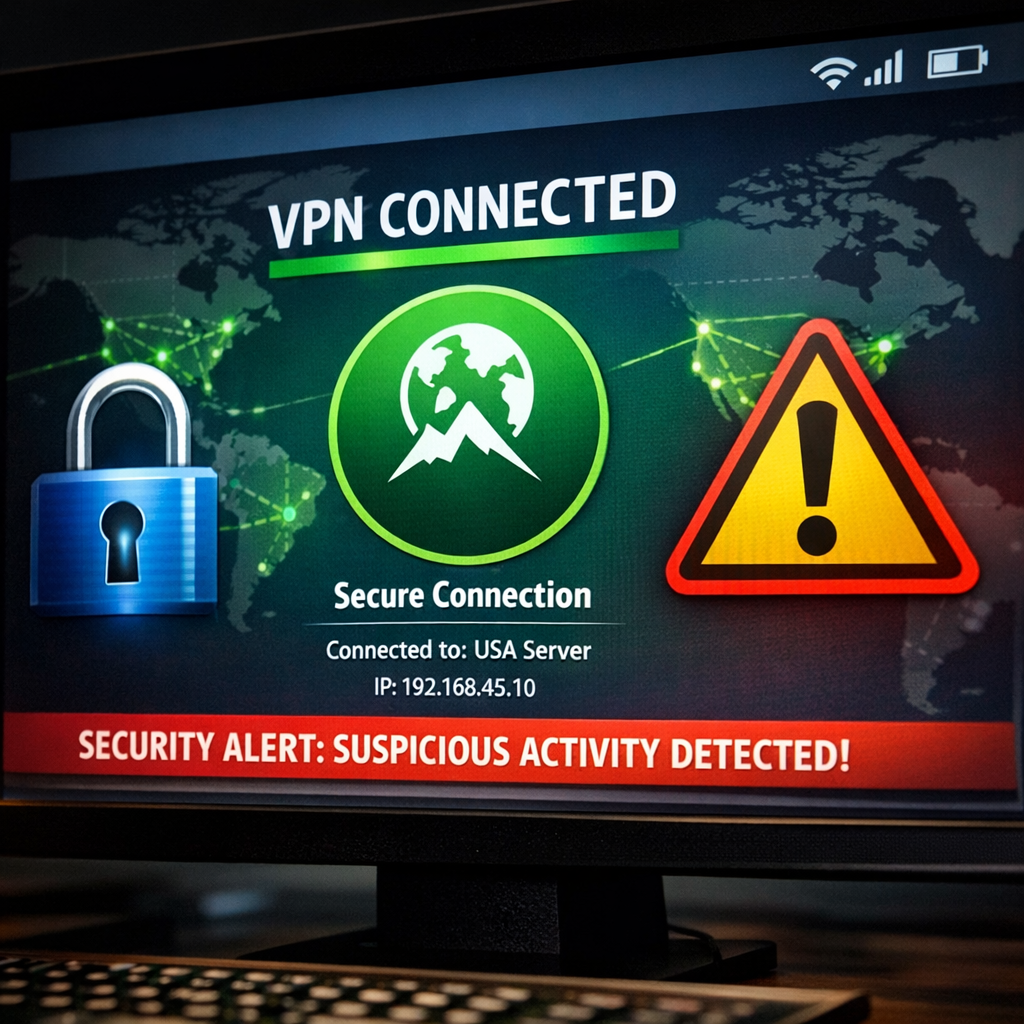
VPN vulnerabilities and disclosures can expose user data and real IP addresses. Recent findings show that several popular VPN services have security flaws that could be exploited by attackers.
VPN vulnerabilities and disclosures: Key Takeaways
- Recent disclosures reveal multiple vulnerabilities in popular VPN services.
- Exploited vulnerabilities can lead to IP address leaks and data exposure.
- Users should stay informed about their VPN's security status.
- Regular updates and security audits are essential for VPN safety.
What’s New Today

Recent reports have highlighted several vulnerabilities in well-known VPN services. For instance, Cisco Talos disclosed vulnerabilities in TP-Link and OpenVPN, which could potentially expose user data [1]. These vulnerabilities can arise from various factors, including outdated software and improper configurations, which can leave users at risk of data breaches and unauthorized access.
Overview
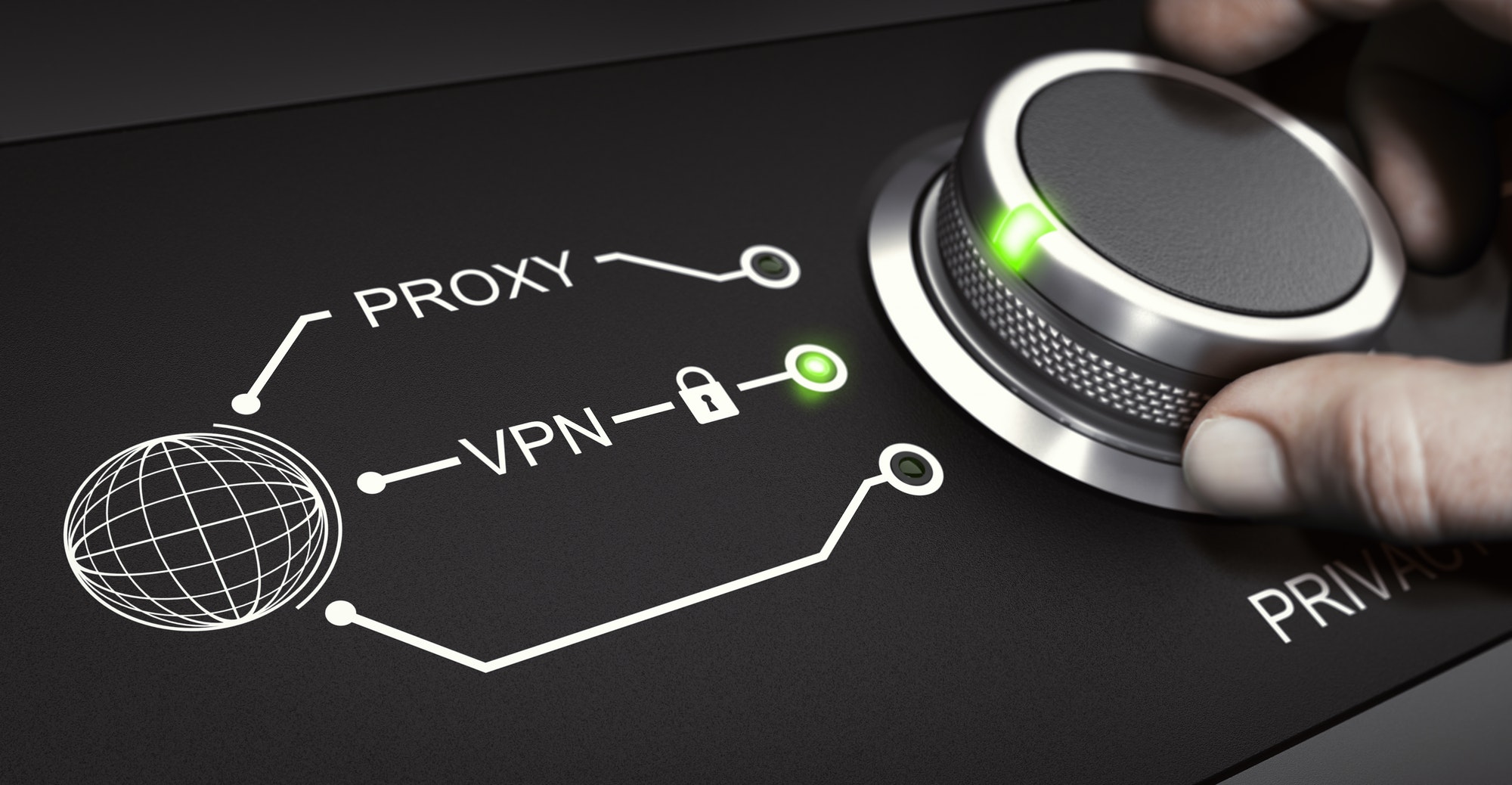
VPN vulnerabilities and disclosures are critical issues in the cybersecurity landscape. A VPN, or virtual private network, is designed to protect user privacy by encrypting internet traffic. However, vulnerabilities can undermine this protection. As the use of VPNs increases, so does the scrutiny of their security measures. Users must be aware that while VPNs can enhance privacy, they are not infallible and can be susceptible to various attacks if not properly managed.
Key Features
- Encryption of internet traffic
- IP address masking
- Access to geo-restricted content
- Secure data transmission
- Protection against ISP tracking
- Ability to bypass government censorship
Pros and Cons
Pros
- Enhanced privacy and security
- Bypass censorship and geo-blocks
- Secure public Wi-Fi connections
- Improved online anonymity
- Access to a wider range of content
Cons
- Potential vulnerabilities can expose data
- Some services may log user activity
- Performance issues due to encryption overhead
- Inconsistent security measures across providers
- Possible legal implications in certain jurisdictions
Key Insights
According to a recent study, 30% of VPN users are unaware of the vulnerabilities in their chosen service. This lack of awareness can lead to significant risks, including data breaches and identity theft. Furthermore, many users do not regularly check for updates or security advisories related to their VPN, which can exacerbate these risks [2].
Patterns
Many VPN vulnerabilities stem from outdated software or poor coding practices. Regular updates and security audits are essential to mitigate these risks. For example, the GrapheneOS VPN IP disclosure vulnerability allows attackers to discover real IP addresses of users [3]. Additionally, misconfigured servers can lead to data leaks, making it crucial for VPN providers to implement robust security protocols and conduct thorough testing before deployment.
Controversies
Some VPN providers claim to offer complete anonymity, but many do not disclose their vulnerabilities. This raises ethical questions about transparency in the industry. Users often trust these services to protect their data, yet the lack of clear communication regarding potential risks can lead to a false sense of security [4]. Moreover, the debate over whether VPNs should be regulated to ensure user safety continues to gain traction.
Blind Spots
Users often overlook the importance of researching VPN providers. Not all VPNs are created equal, and some may have serious security flaws that are not publicly disclosed. A significant number of users may choose a VPN based solely on marketing claims rather than a thorough evaluation of its security features and track record [5]. This can lead to the selection of a service that does not adequately protect their data.
Opportunities
There is a growing demand for secure VPN services. Companies that prioritize transparency and regular security updates can gain a competitive edge in the market. As consumers become more aware of cybersecurity threats, they are likely to gravitate towards providers that demonstrate a commitment to user safety and data protection [6]. This trend presents an opportunity for new entrants in the VPN market to differentiate themselves through superior security practices.
Advanced Breakdown
VPN vulnerabilities can be categorized into several types, including:
- Configuration errors
- Software bugs
- Weak encryption protocols
- Inadequate authentication mechanisms
- Third-party dependencies
Each type poses different risks to users, making it essential to understand these vulnerabilities. For instance, configuration errors can lead to unintended data exposure, while weak encryption protocols can be easily compromised by attackers [7]. Understanding these categories can help users make informed decisions when selecting a VPN service.
Comparison
When comparing VPN vulnerabilities to other cybersecurity issues, such as malware, VPN flaws can be less visible but equally damaging. Malware can directly compromise a device, while VPN vulnerabilities can lead to long-term data exposure. Furthermore, while malware attacks are often immediate and visible, the consequences of VPN vulnerabilities may unfold over time, making them harder to detect and address [8].
What People Are Asking
Many users are concerned about the security of their VPNs. Questions often include:
- How can I tell if my VPN is secure?
- What should I do if I find a vulnerability?
- Are free VPNs safe to use?
- What features should I look for in a secure VPN?
Popular Searches and Questions
Common searches related to VPN vulnerabilities include:
- Best secure VPNs
- How to check VPN security
- Recent VPN vulnerabilities
- VPN reviews and comparisons
- How to protect myself while using a VPN
References
Listen
Share
Related reading
- How a VPN Can Transform Your Sports Streaming Experience
- Understanding VPN Security Features for Better Online Safety
- Understanding VPNs: A User’s Guide
- The Essential Guide to VPNs and Online Privacy
- How to Use VPNs for Specific Devices
- How a VPN Can Transform Your Streaming Experience