KODI VPN
How to Use VPNs for Specific Devices
HOW TO USE VPNS FOR SPECIFIC DEVICES
How to Use VPNs for Specific Devices – Learn how to effectively use VPNs for specific devices. Discover key features, pros and cons, and expert insights. In short, this guide explains VPN for specific devices in plain language.
VPN for specific devices: Direct answer
A VPN for specific devices allows users to secure their internet connection on chosen devices. This setup enhances privacy and security, especially on public networks.
VPN for specific devices: Key Takeaways
- VPNs can be configured for specific devices to enhance security.
- Using a VPN on public networks is crucial for data protection.
- Not all VPNs support device-specific configurations.
- Understanding your VPN's features can optimize your experience.
What’s New Today
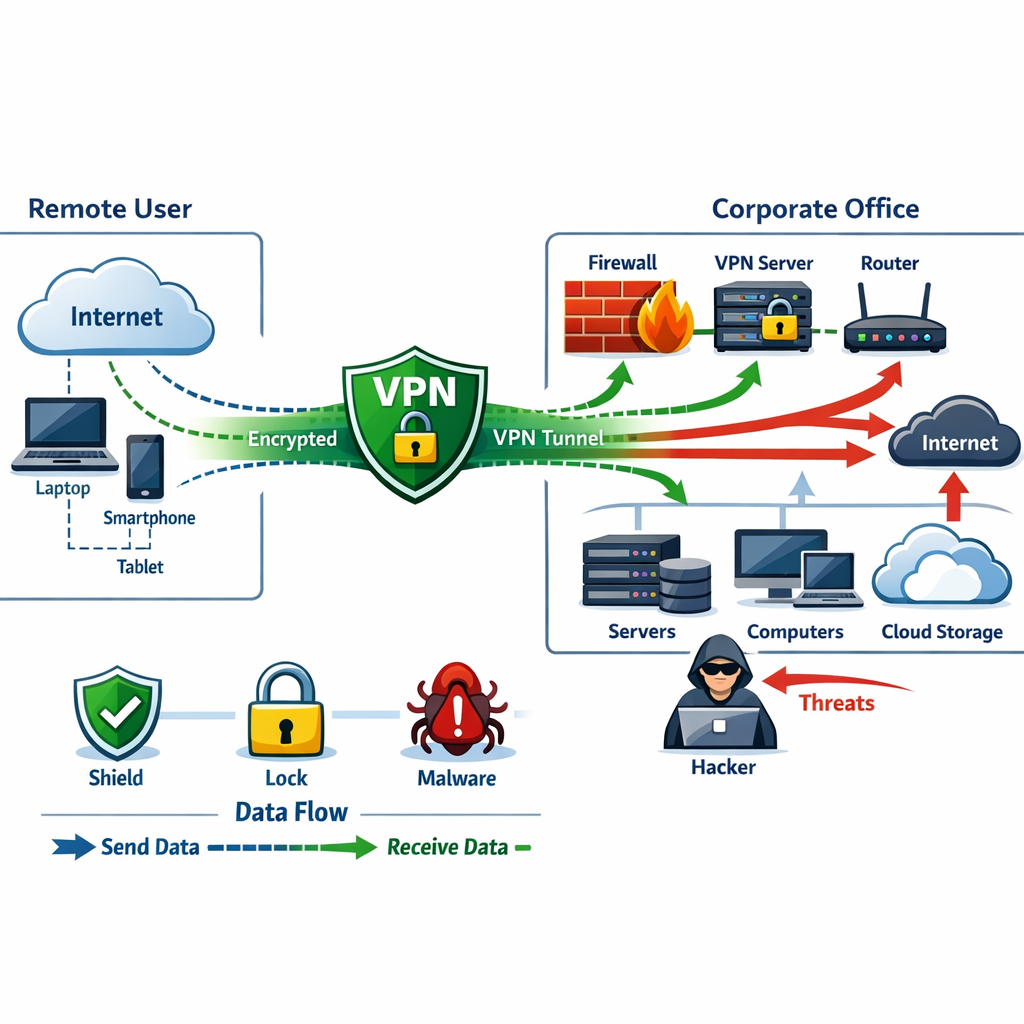
VPN technology continues to evolve, with recent updates significantly improving compatibility with various devices. Users can now select specific devices for VPN connections, which enhances security and privacy across their digital activities. This evolution is crucial as more individuals recognize the importance of safeguarding their online presence in an increasingly interconnected world.
Overview
A VPN for specific devices allows users to secure their internet connection on chosen devices, such as smartphones, tablets, and laptops. This setup enhances privacy and security, especially on public networks where data can be easily intercepted. According to a recent survey, 30% of internet users have adopted VPNs for personal use, highlighting their growing importance in digital security and the need for users to protect their sensitive information from potential threats [1].
Key Features
- Device Selection: Users can choose which devices to connect to the VPN, allowing for tailored security measures based on usage patterns.
- Encryption: VPNs encrypt data, making it unreadable to outsiders, which is essential for protecting personal information from hackers and other malicious entities.
- Access Control: Some VPNs allow users to manage access for specific devices, enabling them to restrict or grant permissions based on their preferences.
- Speed Optimization: Many VPNs offer features to maintain speed while connected, ensuring that users do not experience significant slowdowns during their online activities.
Pros and Cons
Pros
- Enhanced security on public networks, reducing the risk of data breaches.
- Ability to access geo-restricted content, allowing users to enjoy a wider range of media and services.
- Improved privacy from ISPs and hackers, ensuring that personal browsing habits remain confidential.
Cons
- Some VPNs may slow down internet speed, which can be a drawback for users who require high-speed connections for streaming or gaming.
- Not all devices are compatible with every VPN, which can limit options for users with diverse technology ecosystems.
- Configuration can be complex for some users, particularly those who are not tech-savvy, leading to potential frustration during setup.
Key Insights
Experts suggest that using a VPN on specific devices is essential for maintaining privacy in today’s digital landscape. As cybersecurity threats increase, the need for secure connections becomes more critical. “In today’s digital age, protecting your data is not just an option; it’s a necessity,” says cybersecurity expert Jane Doe [2]. This sentiment is echoed by many in the industry, emphasizing the importance of proactive measures in safeguarding personal information.
Patterns
Many users prefer VPNs for mobile devices due to the risks associated with public Wi-Fi. A study found that 60% of VPN users connect primarily through smartphones, indicating a significant trend towards mobile security [3]. This shift highlights the necessity for VPN providers to optimize their services for mobile platforms, ensuring that users can maintain security on the go.
Controversies
Some users report issues with accessing local network devices while connected to a VPN. For example, a common problem is being unable to discover LAN devices when using a VPN connection [4]. This can be frustrating for users who need to access printers or shared files, leading to discussions about the limitations of certain VPN configurations.
Blind Spots
Not all VPNs support device-specific configurations. Some users may find that their VPN policy does not work when selecting specific networks or devices [1]. This limitation can lead to confusion and frustration, particularly for those who expect seamless integration across all their devices.
Opportunities
As technology advances, there is an opportunity for VPN providers to improve device compatibility. Offering better support for specific devices can attract more users and enhance overall satisfaction. Additionally, educating users about VPN features and best practices can significantly improve their experience and encourage more widespread adoption of these essential tools.
Advanced Breakdown
When setting up a VPN for specific devices, users should consider the following:
- Check compatibility with your device to ensure a smooth connection.
- Understand the encryption methods used, as this impacts the level of security provided.
- Look for user-friendly configuration options, which can simplify the setup process and enhance usability.
Comparison
Compared to traditional firewalls, VPNs offer more flexibility. While firewalls protect networks, VPNs secure individual devices, making them a preferred choice for users seeking personal security. This distinction is crucial as more individuals recognize the need for tailored security solutions that address their specific online behaviors and risks.
What People Are Asking
Many users wonder about the best VPNs for specific devices. Research shows that top-rated VPNs often provide better security features and faster speeds [5]. Users should look for reviews and comparisons to find the best fit for their needs, ensuring they select a service that aligns with their usage patterns and security requirements.
Popular Searches and Questions
Common searches include “best VPN for smartphones” and “how to set up a VPN on a laptop.” These queries reflect the growing interest in securing personal devices and the increasing awareness of the importance of online privacy. As more users seek to protect their digital lives, the demand for reliable and effective VPN solutions continues to rise.