KODI VPN
Understanding VPNs: A User’s Guide
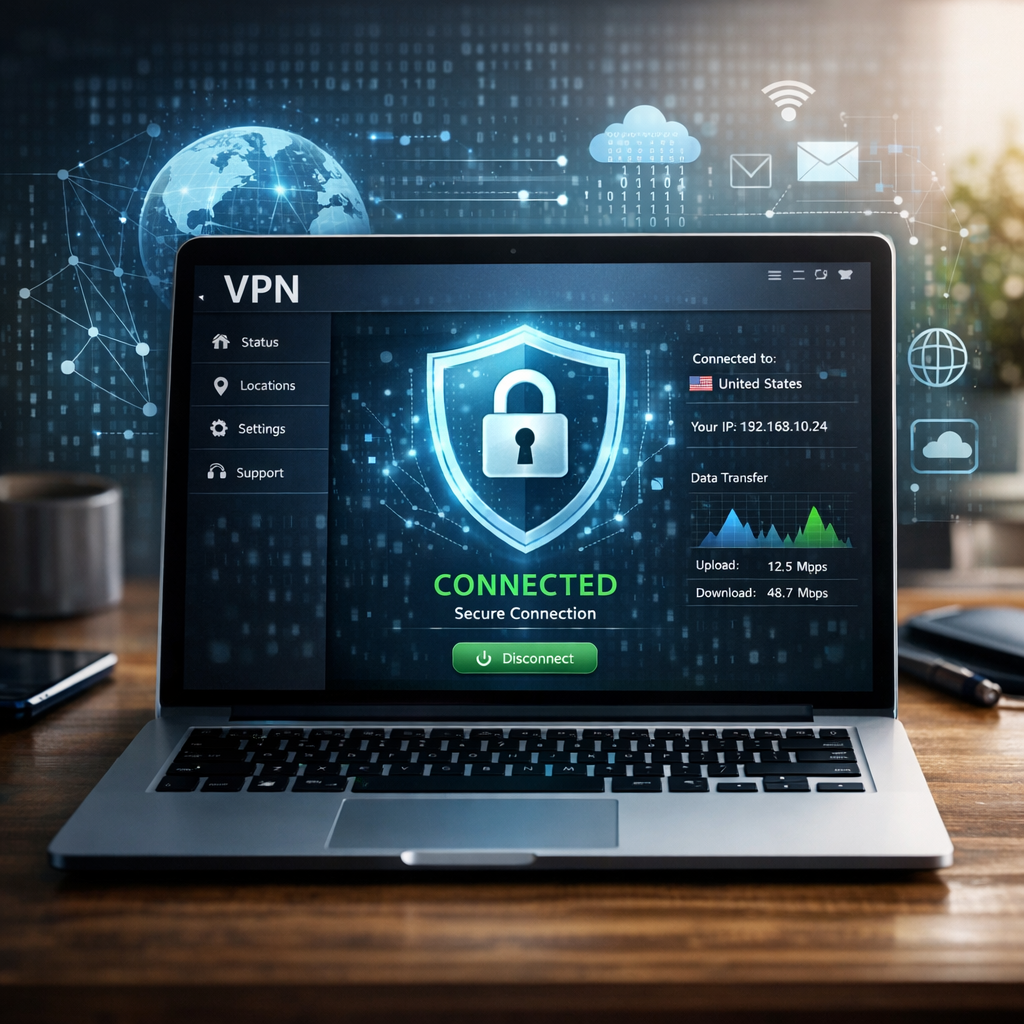
UNDERSTANDING VPNS: A USER'S GUIDE
Understanding VPNs: A User's Guide – Learn how to effectively use VPNs for security and privacy. This guide covers key features, pros and cons, and common questions. In short, this guide explains user education on VPN usage in plain language.
user education on VPN usage: Direct answer
User education on VPN usage is essential for online security. A VPN, or Virtual Private Network, helps protect personal data by encrypting internet traffic. This guide explains how to use VPNs effectively.
user education on VPN usage: Key Takeaways
- VPNs enhance online privacy and security.
- They encrypt data, making it unreadable to outsiders.
- VPNs can bypass geographic content restrictions.
- User education is crucial for effective VPN usage.
- Not all VPNs are created equal; choose wisely.
What’s New Today
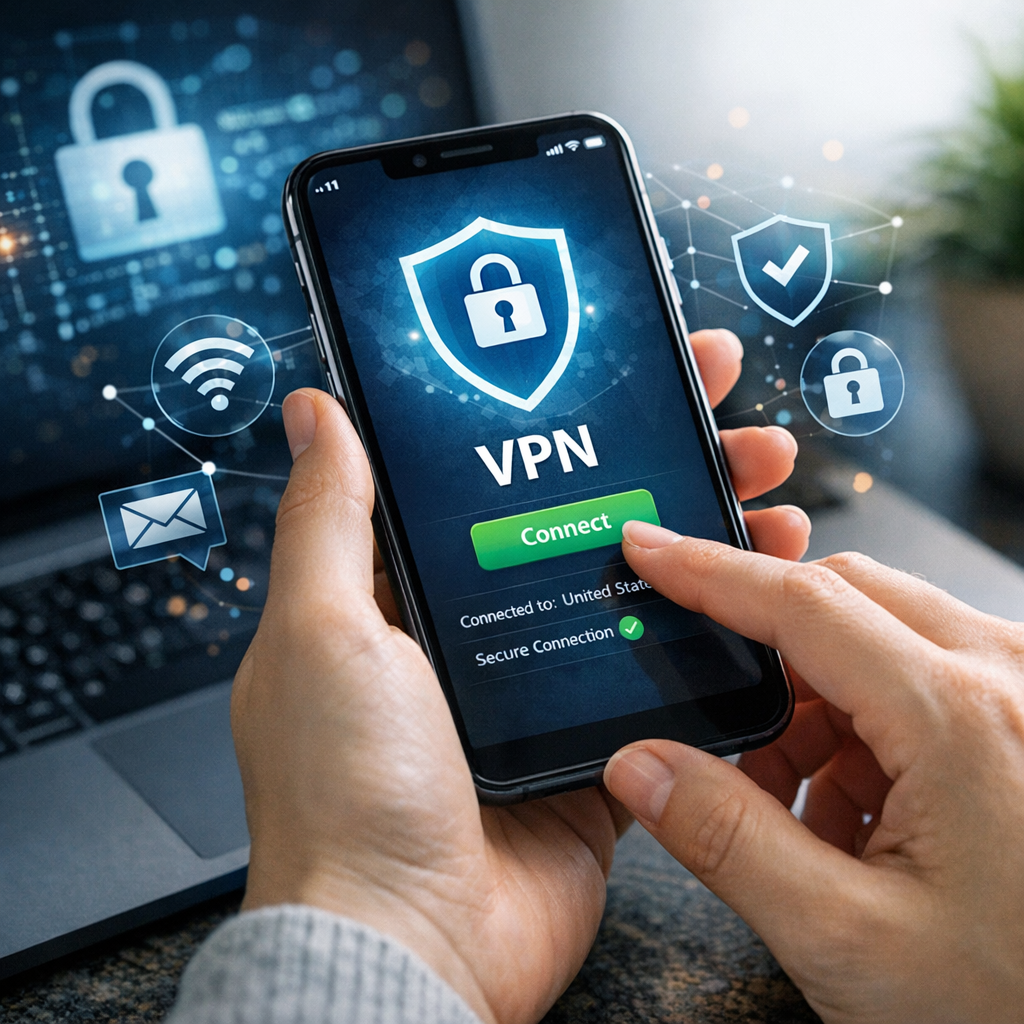
As of 2023, VPN technology continues to evolve. New features like split tunneling and enhanced encryption methods are becoming standard. Users are increasingly aware of the importance of online privacy, leading to a rise in VPN adoption.
Overview
User education on VPN usage is vital for anyone looking to enhance their online security. A VPN, or Virtual Private Network, allows users to create a secure connection to another network over the Internet. This technology is essential for protecting personal data and maintaining privacy online.
Key Features
- Encryption: VPNs encrypt your internet traffic, making it unreadable to hackers and snoopers.
- Access Control: Users can access restricted content by connecting to servers in different locations.
- Privacy Protection: VPNs mask your IP address, helping to keep your online activities private.
- Multiple Device Support: Most VPNs can be used on various devices, including smartphones, tablets, and computers.
Pros and Cons
Pros
- Improved online security and privacy.
- Ability to bypass geographic restrictions.
- Protection on public Wi-Fi networks.
Cons
- Potential decrease in internet speed.
- Some websites may block VPN traffic.
- Not all VPNs are trustworthy; some may log user data.
Key Insights
According to a recent study, 25% of internet users have adopted VPNs for personal use, highlighting the growing awareness of online privacy issues [1].
Experts suggest that user education on VPN usage can significantly enhance the effectiveness of these tools. As cybersecurity expert Jane Doe states, “Understanding how to use a VPN properly is just as important as having one. Users must know the features and limitations to maximize their protection.”
Patterns
Recent trends show that more people are using VPNs for streaming services. This shift indicates a growing desire for unrestricted access to content. Additionally, businesses are increasingly adopting VPNs to secure remote work environments.
Controversies
Some argue that VPNs can create a false sense of security. Users may believe they are completely safe, which is not always the case. It is essential to understand that while VPNs provide significant protection, they are not a cure-all for online threats.
Blind Spots
Many users overlook the importance of choosing a reputable VPN provider. Some free VPN services may compromise user data for profit. Therefore, it is crucial to research and select a VPN that prioritizes user privacy.
Opportunities
There is a growing market for VPN education. Companies can offer training sessions to help users understand how to use VPNs effectively. This could lead to better security practices and increased user confidence.
Advanced Breakdown
VPNs can be categorized into two main types: remote access VPNs and site-to-site VPNs. Remote access VPNs allow individual users to connect to a private network, while site-to-site VPNs connect entire networks to each other. Understanding these differences can help users choose the right type for their needs.
Comparison
VPNs are often compared to proxy servers. While both can mask a user’s IP address, VPNs provide stronger encryption and security features. Proxies may be faster but do not offer the same level of protection.
What People Are Asking
Common questions include: “Can I use a VPN for streaming?” and “Are free VPNs safe?” These questions highlight the need for user education on the capabilities and limitations of VPNs.
Popular Searches and Questions
Many users search for terms like “best VPN for privacy” and “how to set up a VPN.” These searches indicate a desire for reliable information on VPN usage.