KODI VPN
Identifying Vulnerable VPNs: A Guide
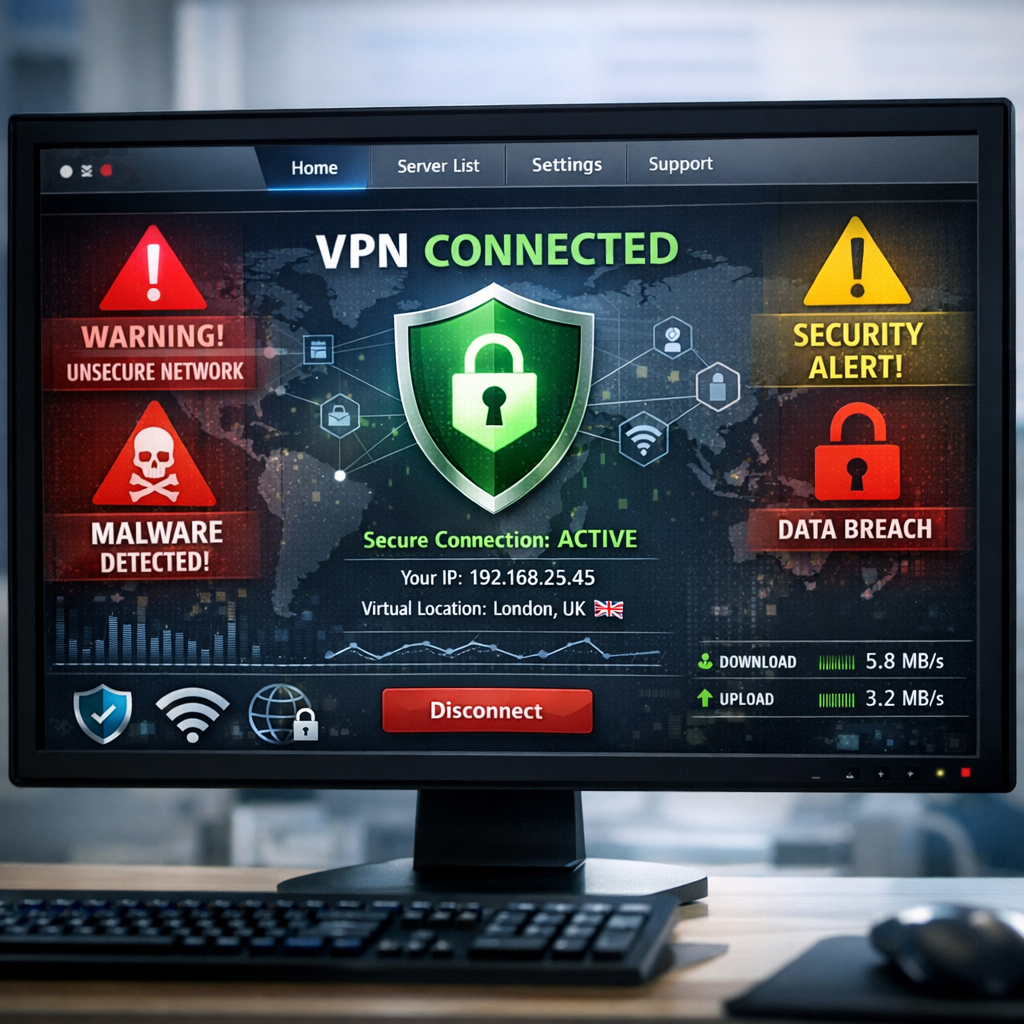
IDENTIFYING VULNERABLE VPNS: A GUIDE
Identifying Vulnerable VPNs: A Guide – Learn how to identify a vulnerable VPN. Discover key features, risks, and expert insights to keep your online privacy safe. In short, this guide explains vulnerable VPN in plain language.
vulnerable VPN: Direct answer
To spot a vulnerable VPN, look for outdated software, lack of strong encryption, and poor user reviews. Regular updates and transparency are also key indicators of a secure VPN.
vulnerable VPN: Key Takeaways
- Outdated software can expose a VPN to attacks.
- Strong encryption is essential for online privacy.
- User reviews can reveal hidden vulnerabilities.
- Transparency about data handling builds trust.
What’s New Today

Recent reports highlight vulnerabilities in various VPN services. For instance, SonicWall’s SMA100 SSL-VPN has been affected by multiple vulnerabilities, making it crucial for users to stay informed about their VPN’s security status [2].
Overview
A vulnerable VPN can compromise online privacy. Users must be vigilant in identifying potential weaknesses. This article explores how to spot a vulnerable VPN and what features to look for.
Key Features
- Strong encryption methods
- Regular software updates
- No-logs policy
- Positive user feedback
Pros and Cons
Pros
- Enhanced online privacy
- Access to geo-restricted content
- Secure data transmission
Cons
- Potential for data leaks
- Some services may log user activity
- Free VPNs often lack security
Key Insights
According to a recent report, many VPNs are not as secure as they claim. For example, a heap buffer overflow vulnerability was found in Fortinet’s SSL-VPN, which could allow remote attackers to execute code [3].
Patterns
Many users overlook the importance of regular updates. A VPN that does not frequently update its software may be more vulnerable to attacks. Therefore, users should prioritize VPNs that demonstrate a commitment to security.
Controversies
Some VPN providers have faced backlash for misleading marketing. Users should be cautious of claims that seem too good to be true. Transparency is key in choosing a reliable VPN.
Blind Spots
Many users do not consider the implications of using free VPN services. These services often lack essential security features and may even sell user data, making them a poor choice for privacy-conscious individuals.
Opportunities
As awareness of online privacy grows, there is an opportunity for VPN providers to improve their services. By focusing on transparency and user education, they can build trust with their customers.
Advanced Breakdown
To effectively spot a vulnerable VPN, users should analyze its encryption methods. Strong encryption, such as AES-256, is essential for protecting data. Additionally, a no-logs policy ensures that user activity is not tracked or stored.
Comparison
When comparing VPNs, consider their security features against those of other online security tools, such as proxy servers. While both can enhance privacy, VPNs typically offer stronger encryption and better overall security.
What People Are Asking
Many users are curious about the security of their current VPN. They often ask how to check for vulnerabilities and what features to prioritize. Understanding these aspects can help users make informed decisions.
Popular Searches and Questions
Common searches include “best secure VPNs” and “how to check VPN security.” These queries reflect a growing concern for online privacy and the need for reliable information.
FAQ
- What makes a VPN vulnerable? A VPN can be vulnerable due to outdated software, weak encryption, and lack of transparency about data handling.
- How can I check if my VPN is secure? You can check your VPN’s security by reviewing its encryption standards, reading user reviews, and checking for recent updates.
- Are free VPNs more vulnerable? Yes, free VPNs often lack strong security features and may sell user data, making them more vulnerable.
- What should I look for in a secure VPN? Look for strong encryption, a no-logs policy, regular updates, and positive user feedback.